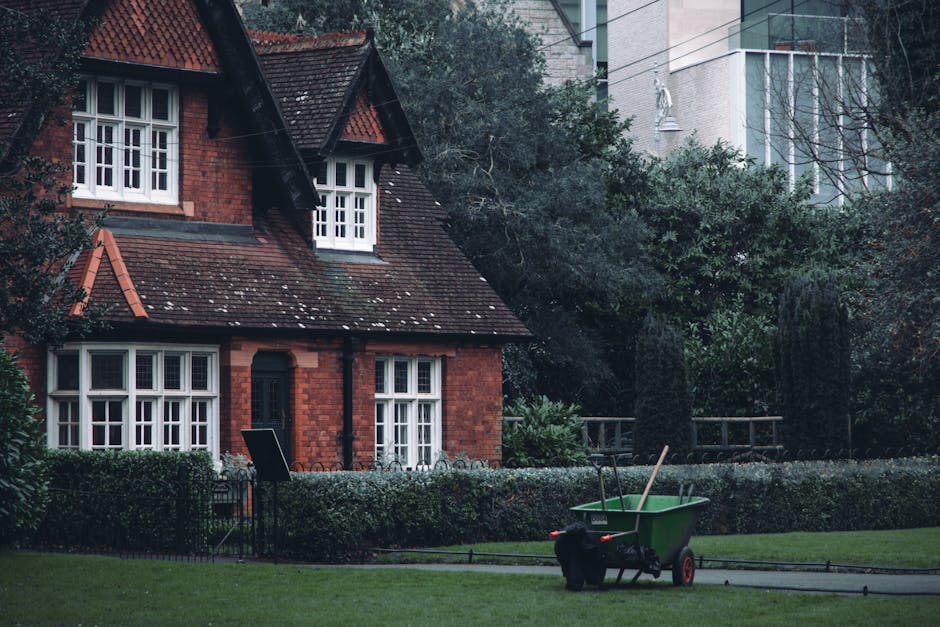
Garden maintenance for West Brompton station area properties
If you live or manage property near West Brompton station, you already know the outside space can work hard. Small front gardens, tucked-away courtyards, communal borders, roof terraces, and narrow side returns all have a habit of looking neat one week and a bit tired the next. That is exactly where Garden maintenance for West Brompton station area properties becomes more than a cosmetic job. It protects the first impression, keeps planting healthy, and stops the small issues from becoming weekend-eating problems.
Truth be told, gardens in this part of London are rarely huge. But they are often visible, practical, and part of the property's value in a very direct way. Whether you are dealing with an elegant townhouse garden, a flat-share courtyard, or a managed building with shared planting, the right maintenance routine makes life easier. Below, you will find a clear, local-focused guide covering what maintenance includes, how it works, what to avoid, and how to keep your garden under control without fuss.
For a broader overview of ongoing outdoor care, you may also find the site's garden maintenance service and services overview useful as you plan the work.
Table of Contents
- Why garden maintenance matters here
- How the maintenance process works
- Key benefits and practical advantages
- Who this is for and when it makes sense
- Step-by-step guidance
- Expert tips for better results
- Common mistakes to avoid
- Tools, resources and recommendations
- Law, compliance, standards and best practice
- Options, methods and comparison table
- Case study or real-world example
- Practical checklist
- Conclusion
- Frequently asked questions
Why Garden maintenance for West Brompton station area properties Matters
West Brompton sits in a busy, well-connected part of London where people notice details fast. A front garden with clipped edges, healthy planting, and a swept path gives the right signal straight away. An untidy plot does the opposite. And because many properties near the station are compact or shared, there is less room for neglect to hide. One overgrown hedge or a patch of weeds on a paved section stands out almost instantly.
Maintenance also matters because urban gardens face pressure from several directions at once. Pollution, shade from neighbouring buildings, limited root space, wind tunnelling between houses, and hard landscaping that dries out quickly can all make planting harder to keep alive. A garden that would look fine in a suburban setting may struggle here if it is left unmanaged. You do not need a botanical degree, thankfully. You do need consistency.
There is also the practical side. Slippery paths, blocked drains, leaf build-up, or low branches brushing a walkway are more than visual annoyances. They can affect access, safety, and how comfortably the property is used. If a landlord, managing agent, or homeowner waits too long, a small maintenance job can turn into a clear-up, a replant, or a repair. Nobody really wants that surprise on a wet Tuesday morning.
In our experience, gardens near station areas tend to work best when the maintenance plan is simple, seasonal, and repeatable. Not flashy. Just steady. That is often the difference between a space that feels cared for and one that always seems one step behind.
How Garden maintenance for West Brompton station area properties Works
Garden maintenance is the regular care that keeps the outdoor space healthy, tidy, and usable. It is different from a one-off clearance or a full redesign. Think of it as the routine housekeeping of the garden. It covers the jobs that need doing often enough to prevent decline, but not so dramatically that the whole space changes character every visit.
A typical maintenance visit may include mowing, edging, weeding, hedge trimming, deadheading, pruning light growth, leaf collection, path sweeping, watering checks, and general tidy-up work. Some properties will also need seasonal planting, soil improvement, mulch refresh, and occasional inspections for problems like die-back, broken supports, or overcrowding. If a patio or timber area is part of the garden, edging and cleaning around those zones often matter just as much as the planting itself. A clean line around a border can change the whole feel of the place.
For properties with more demanding outdoor areas, maintenance may be paired with services such as lawn mowing, hedge trimming, garden clearance, landscaping, or even decking services where the outside space includes timber features that also need looking after.
The work usually starts with a quick assessment. What is growing well? What is failing? Is the space used privately or communally? Is access awkward? Are there pets, children, or rental turnover to think about? That assessment shapes the schedule. A shaded courtyard with a few containers needs a different rhythm from a long border that gets full sun and heavy foot traffic.
Then comes the maintenance cycle itself. A good routine is not just "do some gardening." It is a planned sequence: inspect, cut back, tidy, dispose of waste responsibly, and note what needs attention next time. That simple habit saves time later and keeps standards steady, which is especially helpful for managed buildings and busy households.
Key Benefits and Practical Advantages
The obvious benefit is appearance. A neat garden adds polish. But the better reasons go deeper than looks.
- Healthier growth: regular cutting, feeding, and weeding stop plants from competing too hard and help the good stuff thrive.
- Less urgent repair work: if you keep on top of growth and debris, you are less likely to end up with blocked drains, damaged paving, or plants strangling each other.
- Better use of small spaces: compact gardens can feel twice as large when edges are clear and surfaces are clean.
- Improved safety: trimmed access routes and tidy ground cover reduce trip hazards and make movement easier.
- Stronger property presentation: this matters for sales, lettings, guest stays, and general day-to-day pride in the place.
- Lower stress: a maintenance routine means fewer "I really should sort that out" moments. Honestly, that alone is worth a lot.
There is also a quieter benefit that people often miss. A maintained garden invites use. It becomes somewhere you sit for ten minutes with tea, or where a tenant might feel more at home, or where a visitor sees care rather than clutter. That mood shift is real. You can feel it as soon as you step outside.
Practical takeaway: In a compact London garden, good maintenance is less about making everything perfect and more about keeping the space healthy, safe, and easy to enjoy. Small, regular actions usually beat dramatic catch-up jobs.
Who This Is For and When It Makes Sense
This kind of maintenance is useful for a wide range of properties around the station area. If you are wondering whether it applies to your place, the answer is probably yes if the garden is visible, shared, used regularly, or simply too important to let slide.
- Homeowners who want a tidy garden without giving up half their Saturday to it.
- Landlords who need outdoor areas to stay presentable between tenancies.
- Managing agents responsible for communal entrances, shared courtyards, or building frontages.
- Busy professionals who like a good-looking outdoor space but do not have time for weekly maintenance.
- Older residents who may prefer help with heavier or repetitive jobs.
- Hospitality or short-let owners where first impressions matter immediately.
It makes sense to start maintenance if you notice any of the following: grass getting patchy or too long, borders filling with weeds, hedges blocking light, leaves collecting faster than you can clear them, or hard surfaces looking dull and neglected. A garden does not usually fail in one dramatic moment. It slips a little at a time. Then suddenly it looks like everything needs doing at once. That is the annoying bit.
If you are deciding between a one-off tidy and regular care, ask yourself a blunt question: will this space keep slipping back into disorder without a routine? If the answer is yes, ongoing maintenance is usually the smarter option.
Step-by-Step Guidance
Here is a simple, practical way to approach garden maintenance in this area without overcomplicating it.
- Assess the space properly. Look at sunlight, shade, drainage, access, and how the garden is used. Note any weak spots, such as compacted soil or slippery paving.
- Remove obvious clutter. Clear fallen branches, old pots, broken supports, and dead material first. It is easier to see what the garden needs once the visual noise is gone.
- Deal with weeds and unwanted growth. Tackle them before they seed or spread. In small gardens, weeds can take over quicker than people expect.
- Cut back and shape. Trim hedges, reduce overlong stems, and keep pathways open. Leave enough growth for plant health, but not so much that the space feels crowded.
- Refresh the soil and borders. Add mulch or compost where needed, improve tired planting beds, and check whether containers need feeding or replanting.
- Inspect for hidden issues. Look under leaves, behind containers, and along fences for mould, pest signs, poor drainage, or rotting timber.
- Finish with a tidy-up. Sweep, collect waste, and leave edges crisp. It sounds simple. It really does make a difference.
- Set the next date. Whether it is weekly, fortnightly, monthly, or seasonal, book the next visit before the garden drifts again.
That final step is the one people skip. Then they wonder why the garden looks messy again after six weeks. A bit of planning saves a lot of groaning later.
Expert Tips for Better Results
Over time, the best-maintained gardens usually share a few habits. Nothing dramatic, just sensible decisions repeated consistently.
- Match the schedule to the season. Spring and early summer often need more frequent checks because growth can surge quickly. Autumn brings leaf fall and debris. Winter is less active, but not no-maintenance.
- Work with the garden's natural conditions. If one side is shady and damp, choose plants that tolerate that. If another side bakes in the afternoon, plan accordingly.
- Do little and often. In a small urban garden, 20 minutes of attention at the right time can be better than one heroic overhaul every few months.
- Keep access paths clear. Especially in narrow spaces, a clean route makes the whole garden feel bigger and safer.
- Use containers wisely. Pots are great for flexibility, but they dry out fast and need regular rotation, feeding, and deadheading.
- Inspect after bad weather. A windy evening or a heavy downpour can scatter debris and stress plants. A quick check the next day can prevent bigger issues.
- Do not overcut. It is tempting to "sort everything" in one go, but too much cutting can leave plants stressed and bare. A calm hand usually wins.
A small real-world observation: a lot of London gardens near rail links and busy roads collect grime and wind-blown debris faster than people expect. The fix is not complicated. It is just consistent care. There is no magic trick, sadly. Garden maintenance is a bit ordinary that way, which is actually good news.
Common Mistakes to Avoid
Some of the biggest problems are surprisingly ordinary. They happen because people are busy, not because they do not care.
- Leaving maintenance too long. Once growth gets away from you, the job becomes harder, costlier, and more disruptive.
- Ignoring drainage. Water pooling in corners or along paving edges can lead to moss, root stress, and slippery surfaces.
- Using the wrong pruning approach. Cutting hedges or shrubs at the wrong time, or too aggressively, can weaken them.
- Forgetting waste removal. A tidy cut is only half the task. If green waste stays piled in a corner, the garden still feels neglected.
- Overwatering containers. It is easy to assume more water means healthier plants. Not always. Sometimes it means tired roots and soggy compost.
- Choosing high-maintenance planting without a plan. Beautiful, yes. Easy, not always. If nobody is going to tend it regularly, keep it realistic.
- Skipping safety checks. Loose paving, unstable branches, and hidden trip hazards are worth dealing with early.
Another common mistake is trying to make a small garden do too much. A seating area, five planters, a lawn, a wildlife corner, and a mini veg bed can all work together, but only if the maintenance load is realistic. Otherwise the garden turns into a juggling act. A funny-looking one, sometimes.
Tools, Resources and Recommendations
You do not need a van full of kit to keep a West Brompton-area garden looking good, but the right tools save time and improve the finish.
- Hand pruners and secateurs: for light shaping, deadheading, and small stems.
- Long-handled shears: useful for hedges and neat edging.
- Lawn mower or edging tool: if the garden includes grass, even a small patch needs regular attention.
- Rake and leaf grabber: for autumn clean-ups and general tidying.
- Spade, hand fork, and trowel: basic but still essential for border work and replanting.
- Mulch or compost: helps soil retain moisture and keeps weeds down.
- Gloves and sturdy footwear: simple, but worth remembering, especially after rain.
For property owners who prefer a managed approach, using a dedicated service can make sense, particularly where regular mowing, hedge care, or seasonal clear-outs are involved. You can review the site's lawn mowing, hedge trimming, and garden clearance pages to see how those jobs fit into a wider maintenance routine. If the space also includes features like walls, steps, timber, or built areas, landscape gardening and decking services may be relevant too.
And if you are weighing up whether the job needs a straightforward maintenance plan or a broader refresh, the pricing and quotes page is a sensible place to start. No mystery, no drama. Just practical next steps.
Law, Compliance, Standards and Best Practice
For garden maintenance in a residential or managed setting, the most important thing is to work carefully and follow accepted UK practice for safety, waste handling, and site responsibility. Exact legal duties can vary depending on the property type, tenancy arrangements, and the nature of the work, so it is wise to keep things proportionate and documented where needed.
In practical terms, that usually means:
- Working safely around people and property: especially where there are shared entrances, children, pets, or limited access.
- Using suitable equipment: tools should be maintained, safe, and appropriate for the task.
- Handling waste responsibly: green waste, timber, and general debris should be removed or recycled in line with normal good practice.
- Reducing risk on site: checking for trip hazards, unstable branches, slippery surfaces, and awkward access points before work begins.
- Respecting neighbours and residents: in tightly packed streets, noise, access, and timing matter more than people sometimes realise.
Where a contractor is involved, it is sensible to ask how they approach health and safety, insurance and safety, and recycling and sustainability. Those are not glamorous topics, but they matter. A tidy garden that comes with careless handling or poor waste practice is not a win.
If you manage a building or shared outdoor area, it is also worth keeping records of maintenance dates, recurring issues, and any recommendations for larger repairs. That way, you are not relying on memory when the garden starts asking difficult questions again six months later.
Options, Methods, or Comparison Table
Different properties need different maintenance approaches. The table below gives a simple comparison.
| Approach | Best for | Strengths | Limitations |
|---|---|---|---|
| One-off tidy-up | Overgrown or neglected gardens | Fast reset, clears visible mess, useful before a move or inspection | Does not prevent the garden drifting again |
| Regular maintenance | Homes, flats, and managed properties | Keeps standards steady, reduces big jobs, improves plant health | Requires scheduling and ongoing budget |
| Seasonal maintenance | Smaller gardens with lighter growth | Good balance of cost and care, works well for low-use spaces | Can be too infrequent for fast-growing gardens |
| Maintenance plus landscaping support | Properties needing structural improvements too | Combines care with upgrades, better long-term layout | More involved and may need planning |
As a rule, if a garden is used often and seen by visitors, regular maintenance usually pays for itself in time saved and presentation kept under control. If the space is very small and simple, seasonal care may be enough. The trick is not choosing the fanciest option. It is choosing the one that actually fits the property.
Case Study or Real-World Example
Here is a realistic example. Imagine a compact rear courtyard near West Brompton station, with paving, three raised planters, a narrow strip of lawn, and a hedge line that gets very little direct sun. At first glance it looks manageable. Then autumn arrives. Leaves gather in the corners, the lawn begins to thin, the hedge flares out, and one planter turns patchy because the soil has gone tired and dry.
The solution is not a dramatic overhaul. It is a basic maintenance rhythm: light mowing, hedge shaping, leaf clearance, border weeding, fresh compost in the planters, and a quick surface sweep each visit. A couple of months later, the space feels calmer, cleaner, and easier to use. Not perfect. Just good. That is usually the goal.
Another example is a managed front garden for a small block of flats. The plants were healthy enough, but the edges were soft, the path had moss at the sides, and the hedge was starting to block light from the entrance. A maintenance plan with regular edging, hedge trimming, and surface checks made the entrance feel brighter and more welcoming without changing the design at all. Sometimes that is all a property needs.
Practical Checklist
Use this quick checklist to keep your garden maintenance on track.
- Check the garden weekly or fortnightly during active growth periods.
- Remove litter, fallen leaves, and dead plant material promptly.
- Keep paths, steps, and entrances clear.
- Trim hedges before they become bulky or block light.
- Mow or edge lawns before they get shaggy and uneven.
- Weed borders before roots establish properly.
- Inspect containers for dryness, damage, or overcrowding.
- Look for drainage issues after heavy rain.
- Refresh mulch or compost as needed.
- Schedule a seasonal tidy-up before the worst of autumn leaf fall or spring growth.
- Make sure waste is removed and the space is left clean.
- Revisit the plan if the garden's use changes.
If you tick most of those boxes, you are already ahead of many property owners. No need to overthink it.
Get a free quote today and see how much you can save.
Conclusion
Garden maintenance for West Brompton station area properties is really about steadiness. In a busy London setting, the gardens that look best are usually not the ones with the most elaborate planting. They are the ones that are looked after properly, with regular care, sensible planning, and a clear eye on what the space actually needs.
If you keep on top of growth, clear waste, check surfaces, and choose maintenance that suits the property, the garden becomes easier to live with and nicer to look at. Simple enough on paper, a bit harder in a real week full of other jobs, but very doable with the right routine. And once it is under control, you notice it every time you step outside. That quiet little lift is worth a lot.
For more about the team behind the service, you can also explore about us or get in touch via contact us when you are ready to talk through your garden's needs.
Frequently Asked Questions
What does garden maintenance usually include for a property near West Brompton station?
It usually includes mowing, edging, weeding, hedge trimming, deadheading, leaf collection, path sweeping, and checking for problems like poor drainage or tired planting. The exact mix depends on the size and condition of the garden.
How often should a garden be maintained in this part of London?
That depends on the planting and how much the space is used. Many small urban gardens benefit from weekly or fortnightly attention in spring and summer, then a lighter seasonal rhythm in quieter months.
Is regular maintenance better than a one-off tidy-up?
If the garden is used often or seen by visitors, regular maintenance is usually better. A one-off tidy-up helps if the space has slipped, but it does not stop the garden from becoming messy again.
Can a small courtyard garden really need professional maintenance?
Yes. Small gardens can be surprisingly demanding because weeds, moss, and overgrowth show up quickly. A compact space can look untidy very fast if it is ignored for even a short time.
What are the main signs that a garden needs attention?
Common signs include overgrown hedges, patchy grass, weeds in borders or paving, leaf build-up, blocked paths, dull planting, and water pooling after rain. If several of those show up at once, it is time to act.
Do I need garden maintenance if I mostly use the outdoor space for storage or access?
Usually yes, even if the garden is not a full leisure space. Access routes, frontages, and shared areas still need to stay clear, safe, and presentable.
What should I ask before booking garden maintenance?
Ask what is included, how waste is handled, whether the work is one-off or recurring, and whether the provider can also help with related tasks like hedge trimming or clearance. It is worth being clear at the start.
How do seasonal changes affect maintenance near West Brompton station?
Spring often brings fast growth, summer can dry out borders and containers, and autumn usually means leaf clearing and tidying. Winter is calmer, but it still needs checking for debris, damage, and drainage issues.
Can maintenance help prevent more expensive garden work later?
Yes. Regular attention can stop weeds from spreading, catch drainage issues early, and prevent small cuts or clear-outs from turning into bigger repair jobs. That is one of the main reasons people keep to a schedule.
Is garden maintenance only about appearance?
No. Appearance matters, but so do safety, plant health, access, and long-term upkeep. A well-maintained garden is usually easier to use and less costly to keep in good shape.
What if my garden also needs bigger changes, not just upkeep?
If the layout feels wrong or the garden needs structural work, maintenance may need to sit alongside landscaping or landscaping support. A proper assessment helps you decide whether the issue is upkeep, design, or both.
How do I choose the right maintenance level for my property?
Start by thinking about how visible the garden is, how often it is used, and how quickly it changes through the seasons. If it keeps outgrowing your time, a regular plan is usually the sensible choice.