Front garden solutions for Earls Court Road with local gardeners
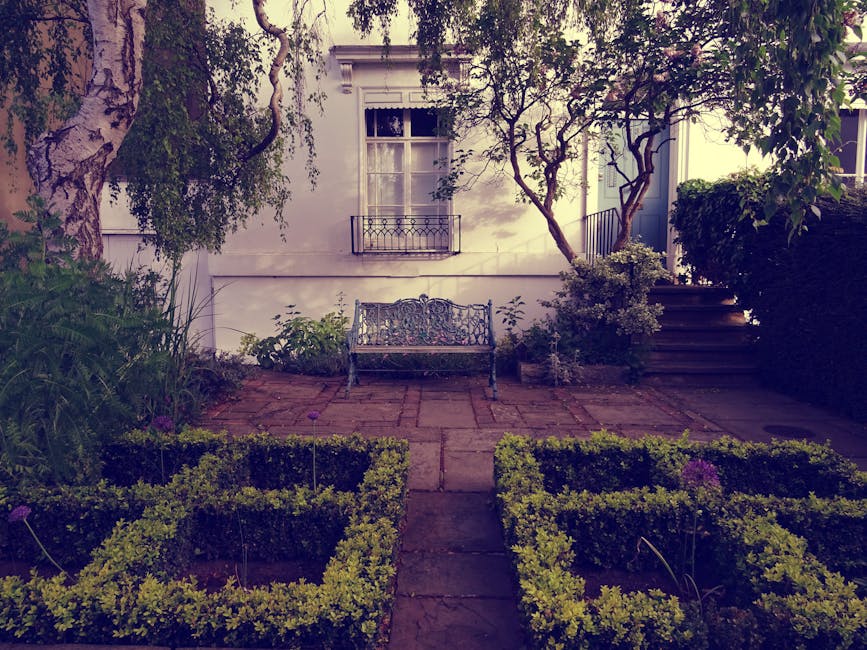
If you live near Earls Court Road, you already know the front garden can be a bit of a puzzle. Space is tight, pavements are busy, the light may be patchy, and the wrong layout can make the whole entrance feel cramped rather than welcoming. The good news is that Front garden solutions for Earls Court Road with local gardeners are rarely about starting from scratch. More often, they are about making a small, urban space work harder, look better, and stay manageable through the seasons.
In practical terms, that means choosing planting that suits London conditions, using the right materials, keeping access clear, and avoiding designs that look lovely for two weeks and then become a chore. Local gardeners tend to understand these realities quickly. They know what survives in a sheltered terrace front, what struggles against road dust and shade, and how to shape a garden so it feels calm rather than cluttered. This guide walks through the main options, what they cost in effort rather than just money, and how to decide what makes sense for your own house.
To be fair, a front garden does a lot of quiet work. It sets the tone before anyone even reaches the front door. And if you get it right, you notice every time you come home.
Why Front garden solutions for Earls Court Road with local gardeners Matters
Front gardens in this part of London often have to do several jobs at once: improve kerb appeal, give a tidy first impression, soften hard brick and railings, and still remain practical for daily life. On a road like Earls Court Road, that balance matters even more because the setting is urban, exposed in places, and visually busy. A front garden can easily become a dumping ground for pots, bins, tired edging, and random plants that never quite found their feet. That is usually where people call in local gardeners.
A good solution is not just prettier. It is more resilient. A well-designed front garden handles foot traffic, shade from neighbouring buildings, and the reality of London weather, which can feel like three seasons before lunch. It also supports easier maintenance. That is a big one. If you are juggling work, travel, family, or simply want fewer weekend chores, a front space that can be maintained in a tidy hour rather than an entire Saturday makes a real difference.
There is also a social side to it. On terraced streets and mixed residential blocks, the front of the property contributes to the whole street scene. A neat, thoughtful frontage can make a house feel more settled and cared for. That does not mean it has to be formal or over-designed. Often the best results are modest, layered, and quietly efficient.
Local gardeners bring the local knowledge that matters here. They understand typical terrace proportions, how privacy concerns come up close to the pavement, and how to work with existing walls, steps, and narrow access. In other words, they are not designing for a glossy brochure. They are designing for real life.
How Front garden solutions for Earls Court Road with local gardeners Works
The process usually starts with a site visit or a conversation about what is not working now. Is the garden too bare? Too messy? Hard to access? Lacking privacy? Or maybe it simply feels a bit tired and you want a fresher look without a full rebuild. A competent local gardener will look at sun and shade, drainage, soil condition, frontage width, existing features, and what level of upkeep you are actually willing to do. That last part matters more than people expect.
From there, the solution is shaped around a few core choices. Some front gardens need planting-led improvements, such as hardy shrubs, evergreen structure, and seasonal colour. Others benefit from hard landscaping, like cleaner paths, new edging, better gravel, improved steps, or low retaining details. In some cases the answer is a blend of both. For example, a narrow terrace front might need a slim path, a handful of robust plants, and one clear focal point rather than a lot of competing elements.
Local gardeners also tend to think in layers. Ground layer, mid-height planting, vertical elements, and boundary treatment. That layered approach gives even a small front garden depth. It can also help screen bins, soften railings, or reduce that bare, exposed feeling some London frontages get in winter. A few well-placed evergreens can do more than a dozen fussy annuals, honestly.
The practical side then follows: clearing away unwanted growth, preparing the soil, installing hard features if needed, planting to the right spacing, and setting up maintenance routines. If the space needs regular upkeep, many homeowners pair the redesign with garden maintenance so the improved layout does not unravel within a month. That is usually the smarter route.
Key Benefits and Practical Advantages
There are plenty of reasons people invest in front garden improvements, but the strongest ones are often the simplest. You get a better first impression, less hassle, and a space that suits the property instead of fighting it. With the right local gardener, the result feels intentional rather than improvised.
- Improved kerb appeal: A tidy, well-structured front garden makes the whole property look cared for.
- Lower maintenance: The best designs are not high-drama. They are easy to keep in check.
- Better use of small space: Narrow or awkward front gardens can still feel balanced and attractive.
- More privacy and softness: Planting can gently screen the frontage without shutting it off.
- Weather resilience: Hardy plants and sensible materials cope better with London conditions.
- Safer movement: Proper paths, steps, and clear access reduce trip hazards and clutter.
There is another benefit that gets overlooked: confidence. A front garden that looks ordered and healthy changes how people feel about coming home. It is a small thing, maybe, but small things pile up. You open the gate, and the space welcomes you instead of asking for another hour of weeding.
For properties on busy roads, a well-chosen layout can also reduce the feeling of exposure. Dense but tidy planting, a low hedge, or a tasteful screen of pots can create a softer boundary without turning the front into a fortress.
Who This Is For and When It Makes Sense
This kind of work is a good fit for homeowners, landlords, and property managers who want the front of the property to look better without creating a maintenance headache. It is especially useful if the existing front garden is in one of these states:
- overgrown and hard to manage
- bare, tired, or patchy
- dominated by containers that never seem to thrive
- shaded by neighbouring buildings or trees
- exposed to road dust, wind, or footfall
- lacking privacy or structure
- poorly drained after rain
It also makes sense if you are preparing a property for sale or letting. Let's face it, buyers and tenants notice the entrance before anything else. A neat front garden does not need to be elaborate to make a difference. Sometimes the right move is to clean things up, simplify the planting, and give the space a crisp frame.
If you have a Victorian or period property, local gardeners with area experience can usually spot the right level of formality quickly. That matters because the front garden should suit the architecture. A very modern look can work, but it needs to be handled carefully so it does not jar with the house.
If you are comparing options, it helps to look at the wider service picture too. Some people start with a small front garden project and later add landscape gardening or even broader landscaping work once they see how much the space can change with a few smart decisions.
Step-by-Step Guidance
Here is a sensible way to approach the project without overcomplicating it.
- Assess the current state. Look at what is genuinely underperforming. Is it the planting, the paving, the boundary, or the clutter?
- Decide the main purpose. Do you want privacy, a smarter entrance, lower maintenance, more colour, or all four? Pick a priority.
- Check light and exposure. A north-facing, shaded, or wind-battered frontage needs different plant choices than a brighter one.
- Set the maintenance level. Be honest. If you only want light upkeep, avoid fussy planting schemes that need constant attention.
- Choose the structure first. Paths, edging, railings, steps, and containers should make sense before plant selection begins.
- Pick resilient planting. Go for robust species that cope with urban conditions and still look good most of the year.
- Plan access and visibility. Keep doors, windows, and paths usable. Do not let greenery swallow the whole front.
- Schedule aftercare. A design is only as good as the care it receives in the first season.
A small example: a narrow terrace front that used to be packed with random pots and a patchy strip of lawn might be better converted to gravel or paving with two substantial planters and a restrained planting bed. That sounds simple. It is simple. And simple often wins.
If you are unsure where to begin, a local gardener can usually suggest whether the answer is a clean-up, a partial redesign, or a full front garden refresh. And yes, sometimes the best first step is just removing the stuff you no longer need. Brutal, but effective.
Expert Tips for Better Results
In our experience, the best front garden work is often the least flashy. It feels calm. It looks like it belongs. It keeps looking good after the novelty wears off, which is the real test.
Use structure before decoration
It is tempting to start with flowers and finish with the hard bits. Usually that backfires. Get the framework right first: edging, access, boundaries, and the main planting zones. Once that is set, the decorative layer can do its job without looking scattered.
Choose evergreen backbone plants
Front gardens in London often look best when there is something green and reliable in every season. Evergreens, small shrubs, and architectural plants give shape even in winter. Add seasonal planting on top if you like, but do not rely on colour alone.
Keep the palette restrained
A front garden with too many materials can feel busy very quickly. Two or three finishes often look better than five. The same goes for plants. A restrained palette helps the space feel larger and more coherent.
Think about maintenance in winter light
This is a small but useful one. A garden may look lovely in June and awkward in February. If you can, imagine the space on a dull afternoon in late winter. That is when structure, symmetry, and evergreen planting really earn their keep.
Match the planting to the street
Some streets suit a softer, cottage-style edge. Others need cleaner lines and tidier repetition. Earls Court Road has enough architectural character that the front garden should support the property, not compete with it. That sounds obvious, but it gets missed a lot.
If privacy is a concern, consider thoughtful screening rather than solid barriers. A natural barrier created with pots, layered planting, or a neat hedge can feel much friendlier than a blank fence. There is a helpful discussion of that approach in this guide to decorative tall potted plants.
Common Mistakes to Avoid
Most front garden problems are not dramatic. They are small misjudgements that add up. The good news is they are usually easy to avoid once you know what to look for.
- Overplanting the space: Too much planting can make a tiny frontage feel boxed in.
- Ignoring light levels: A plant that looks great in a catalogue may sulk in shade or scorch in sun.
- Choosing high-maintenance varieties: If you do not want regular attention, avoid designs that demand it.
- Forgetting access: The garden must still allow practical movement to the house.
- Mixing too many styles: Random combinations of paving, pots, railings, and plants can look messy.
- Leaving soil preparation too late: Poor soil, compaction, and drainage issues can undermine everything else.
- Using weak boundaries: If the front edge is vague or untidy, the whole space tends to feel unfinished.
One of the sneakiest mistakes is treating the front garden like a back garden in miniature. It is not. Front spaces have different priorities: presentation, access, simplicity, and durability. The more public the space, the more those details matter.
Another classic one? Buying lots of plants because they looked cheerful at the garden centre on a sunny Saturday morning. We have all been there. Then Monday arrives, the light is different, and somehow the plants and the garden are not speaking the same language.
Tools, Resources and Recommendations
You do not need a warehouse of equipment to improve a front garden, but the right tools and materials do make the work cleaner and less frustrating. Local gardeners typically bring their own professional kit, yet homeowners benefit from understanding what goes into the job.
| Need | Typical solution | Why it helps |
|---|---|---|
| Overgrown border | Pruning, selective removal, fresh planting plan | Creates space and lets the best plants stand out |
| Patchy ground | Soil improvement, mulch, ground cover planting | Improves appearance and reduces bare areas |
| Lack of privacy | Layered planting, hedging, tall containers | Softens views without harsh barriers |
| Awkward access | New path layout or clearer edging | Makes the front entrance safer and more usable |
| Tired frontage | Boundary refresh, planting reset, tidy finish | Instantly improves the property's first impression |
Commonly used tools include pruning shears, loppers, spades, forks, edging tools, a wheelbarrow, watering equipment, and the right fixings for containers or gravel. For front gardens with stubborn overgrowth, a proper clearance can help reset the space before any new design is added. In those cases, garden clearance may be the cleanest starting point.
If the frontage has hedges or boundary growth that has got out of hand, trimming them back neatly can change the whole feel of the property. A lot, actually. See also hedge trimming if that is part of the picture.
For homeowners who prefer regular upkeep rather than one-off intervention, recurring maintenance is worth considering alongside the redesign. It keeps the new layout looking intentional rather than slowly drifting into chaos, which happens faster than people think.
Law, Compliance, Standards, or Best Practice
For most front garden projects, the main concerns are practical rather than legal, but best practice still matters. If your front garden affects access to the house, pavements, shared boundaries, or drainage, it is worth being careful and checking the details before work begins. In London, small front spaces often sit close to public walkways or shared frontages, so design decisions can have knock-on effects.
It is sensible to avoid blocking sightlines, narrowing access, or creating trip hazards with raised edges, loose gravel, or poorly secured pots. If work involves trees, larger shrubs, or removal of established growth, a professional should consider safety, disposal, and any local constraints that may apply. For anything structural, such as steps, retaining elements, or significant changes to levels, a properly planned approach is better than an improvised one.
Good contractors and local gardeners should also be mindful of insurance, safe working methods, and responsible waste handling. If a team is working near the road or pavement, they should think about pedestrian safety and tool storage as part of the job, not as an afterthought. That should be standard, really.
It is also sensible to ask how green waste and removed materials will be handled. Responsible disposal and recycling practices matter, especially for larger clearances. If sustainability is important to you, look for approaches that reuse healthy materials where possible and reduce unnecessary waste. A number of clients prefer this more thoughtful route, and quite rightly so. You can explore related ideas in recycling and sustainability.
Finally, if you are comparing providers, make sure the business explains its pricing clearly and can outline what is included. Transparent quoting helps avoid awkward surprises later. If you want to compare like with like, the page on pricing and quotes is a useful place to start.
Options, Methods, or Comparison Table
There is no single right answer for every front garden on Earls Court Road. The best method depends on space, light, upkeep, and how formal or relaxed you want the result to feel. Here is a simple comparison that may help.
| Approach | Best for | Pros | Trade-offs |
|---|---|---|---|
| Planting-led refresh | Gardens that already have a decent layout | Natural look, flexible, improves softness | Needs the right plant choices and seasonal care |
| Low-maintenance hard landscaping | Busy households or tired, messy spaces | Cleaner lines, easier upkeep, durable | Can look bare if not balanced with planting |
| Hybrid redesign | Most urban front gardens | Best balance of structure and life | Requires a bit more planning upfront |
| Privacy-focused planting | Visible frontages near footfall | Soft screening, better sense of enclosure | Needs careful species selection and spacing |
| Clearance and reset | Severely overgrown or neglected gardens | Fast improvement, clean starting point | Does not solve design issues on its own |
If you are looking for inspiration specific to period homes, there is a useful piece on gardeners near Earls Court Road for Victorian terraces. It is especially relevant if your frontage has original features, narrower proportions, or an older street character that needs respecting.
Case Study or Real-World Example
Here is a realistic example based on the kind of front garden work local gardeners handle all the time. A compact terrace near Earls Court Road had a front space that looked unfinished: a thin strip of tired planting, cracked edging, a few mismatched pots, and a path that felt narrower than it needed to. Nothing was terrible, but nothing worked either.
The first move was a light clearance and assessment. The gardener removed struggling plants, improved the soil, and rethought the layout so the entrance felt more open. Instead of trying to cram in lots of colour, the design used a small number of hardy, evergreen plants with different textures. A cleaner edge and better spacing gave the whole frontage room to breathe.
Then came the practical details. The path was made more obvious, the pots were reduced to a couple of stronger pieces, and the boundary planting was arranged to soften the street view without blocking access. The result was not flashy. It did not need to be. The house looked calmer, more finished, and easier to maintain.
That is the thing with a good front garden solution: the changes are often subtle when you list them, but the effect is immediate when you stand outside and look at the property as a whole. You just feel it. The place looks more settled.
Practical Checklist
Use this checklist before you commit to a design or hire help.
- Have you decided whether the priority is beauty, privacy, low maintenance, or all three?
- Do you know how much sun, shade, and wind the front garden gets?
- Is the soil in reasonable condition, or does it need improvement?
- Have you checked whether the current layout causes access problems?
- Are there any trip hazards, drainage issues, or weak boundary sections?
- Do you want a planting-led refresh, hard landscaping, or a hybrid solution?
- Have you considered how the garden will look in winter as well as summer?
- Will the new design suit the style of the house?
- Are you clear on maintenance expectations after the work is done?
- Do you want ongoing support from a local gardener after the initial project?
Quick expert summary: if the space is small, exposed, or awkward, keep the design simple, durable, and easy to maintain. Structure first, planting second, decoration last. That order saves time and money more often than not.
Conclusion
The best Front garden solutions for Earls Court Road with local gardeners are usually the ones that respect the character of the street while solving everyday problems quietly and well. A front garden does not need to be large to be effective. It needs to be coherent, practical, and suited to the way you actually live.
Whether your space needs a tidy reset, a softer planting scheme, clearer access, or a full front garden redesign, local gardeners can help turn a tricky frontage into something welcoming and manageable. The real value is not just in how it looks on day one. It is in how easily it keeps working month after month, rain or shine, morning rush or quiet evening.
And honestly, that is what a good front garden should do. Make life a little easier. Make home feel more like home.
Get a free quote today and see how much you can save.
If you are ready to take the next step, it helps to start with a clear view of services, pricing, and the wider maintenance options available through local experts. You can also read more about the company's approach on the about us page or browse the services overview for a broader sense of what is possible.
Frequently Asked Questions
What are the best front garden solutions for a small Earls Court Road property?
The best solutions are usually simple and layered: a clear path, a restrained planting scheme, a few evergreen plants, and tidy edging. Small spaces work best when they are not overcrowded. A local gardener can help you choose a layout that feels open rather than cramped.
Do local gardeners understand London front gardens better than general landscapers?
Often, yes. Local gardeners are usually more familiar with the practical realities of inner London frontage work: limited space, shade, foot traffic, and the need for low-maintenance results. That local awareness can make a real difference to the outcome.
How do I make my front garden look better without spending a fortune?
Start with a clean-up, remove anything unnecessary, improve the soil where needed, and choose a few strong plants rather than many weak ones. Often, the biggest transformation comes from simplification. A lot of visual clutter can be removed for free or at low cost.
What plants work well in a front garden near a busy road?
Hardy, resilient plants tend to work best, especially evergreen shrubs, tough perennials, and plants that can cope with some urban exposure. The exact choice depends on light, soil, and how much maintenance you want to do. A good gardener will match the plants to the site, not the other way around.
Can a front garden be both attractive and low maintenance?
Absolutely. In fact, that is one of the main goals for many homeowners. The trick is using structure, durable materials, and plants that do not need constant attention. You do not need a high-maintenance display to create a polished look.
Should I choose gravel, paving, or planting for the front area?
It depends on the purpose of the space. Gravel and paving usually help with low maintenance and access, while planting adds softness and interest. Many of the best results use a mix of the three. A purely planted front can be lovely, but it may need more care than you want.
How often will my front garden need maintenance after a redesign?
That depends on the plants and layout. A sensible design should reduce maintenance, not increase it. In most cases, a light but regular routine is enough once the space is established. Seasonal pruning and occasional tidy-ups are usually part of the deal.
Do I need permission for changes to my front garden?
Most routine gardening work does not require permission, but anything involving significant structural changes, boundaries, drainage, or trees should be checked carefully. If the property is leasehold or in a conservation-sensitive setting, it is wise to confirm the position before starting.
How long does a front garden project usually take?
Smaller refreshes can be completed fairly quickly, while more involved redesigns take longer because of clearing, soil preparation, and planting. The timing depends on the condition of the space and the scope of work. A local gardener should be able to give you a realistic schedule.
What if my front garden has poor drainage?
That is a common issue in urban gardens. The solution may involve soil improvement, regrading, choosing more suitable plants, or changing the hard landscaping so water can move more effectively. It is better to address drainage early than patch over it later.
Are front garden improvements worth it if I plan to move soon?
Often, yes. A tidy, welcoming front garden can improve first impressions and help a property feel better cared for. You do not have to do a major redesign for it to matter. Sometimes the right clean-up and refresh is enough to make a real difference.
How do I choose the right local gardener for the job?
Look for someone who listens carefully, explains their process clearly, and understands urban garden constraints. Ask how they would handle access, planting choice, waste disposal, and aftercare. A good fit will feel practical and straightforward, not vague or overcomplicated.