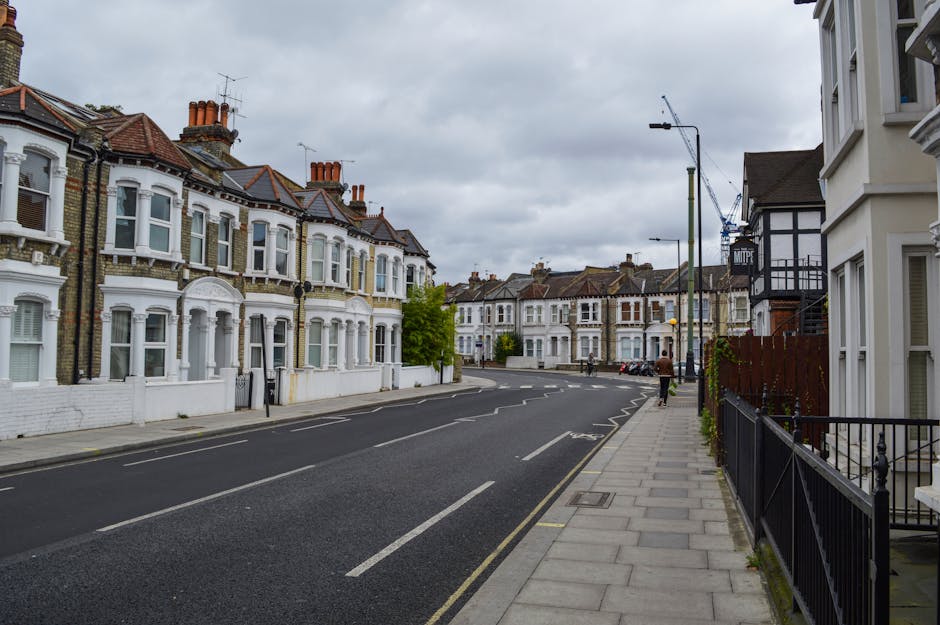
Best gardeners near Earls Court Road for Victorian terraces
Victorian terraces near Earls Court Road have a charm all their own: narrow front gardens, classic railings, layered brickwork, and those slightly awkward spaces that never seem to behave the way a modern plot does. If you are looking for the best gardeners near Earls Court Road for Victorian terraces, you are probably not just after someone to "tidy up" the borders. You want a gardener who understands heritage character, knows how to work in compact London gardens, and can keep everything looking elegant without making it feel overdone.
That balance matters. Too little care, and a terrace garden quickly looks tired. Too much intervention, and it can lose the calm, lived-in feel that makes Victorian homes special in the first place. This guide walks through what a good terrace gardener actually does, how to choose one, what to expect, and how to avoid the common mistakes that waste time and money. If you are comparing options, you may also find it useful to explore the services overview and the pricing and quotes page for a clearer idea of service scope and next steps.
Truth be told, a good Victorian terrace garden is rarely about grand gestures. It is about the right cuts, the right plants, the right timing, and a gardener who notices the little things.
Table of Contents
- Why Best gardeners near Earls Court Road for Victorian terraces Matters
- How Best gardeners near Earls Court Road for Victorian terraces Works
- Key Benefits and Practical Advantages
- Who This Is For and When It Makes Sense
- Step-by-Step Guidance
- Expert Tips for Better Results
- Common Mistakes to Avoid
- Tools, Resources and Recommendations
- Law, Compliance, Standards, or Best Practice
- Options, Methods, or Comparison Table
- Case Study or Real-World Example
- Practical Checklist
- Conclusion
- Frequently Asked Questions
Why Best gardeners near Earls Court Road for Victorian terraces Matters
Victorian terraces are not ordinary gardens with a bit of history attached. They often come with proportion, symmetry, and awkward constraints all at once. A good gardener has to work with all three. Near Earls Court Road, many gardens are small but visible from the street, which means the front garden sets the tone before anyone even steps inside. That first impression can either quietly elevate the property or make it look neglected.
This is why choosing the right local gardener matters so much. Terrace gardens usually need careful pruning, regular seasonal maintenance, and planting that can cope with partial shade, reflected heat from brick walls, and limited soil depth. Some also need climbing plants trained neatly along railings or walls. A gardener who gets this wrong may cut too hard, plant too boldly, or ignore drainage issues. And once that happens, the garden can look patchy for months.
There is also a practical side. London gardens often have limited access, narrow side passages, shared boundaries, and neighbours close by. The gardener you choose needs to be tidy, respectful, and comfortable working efficiently in tight spaces. That sounds obvious, but you would be surprised how often it gets overlooked. A quick cleanup is one thing; maintaining the calm structure of a Victorian terrace is another.
For homeowners and landlords alike, the right gardener can protect curb appeal, reduce long-term repair headaches, and make a compact outdoor space feel much bigger. That is especially useful where every square metre counts.
How Best gardeners near Earls Court Road for Victorian terraces Works
Finding the right gardener for a Victorian terrace is not just about browsing a few names and picking the nearest one. In practice, it works best as a small process: assess the garden, decide what matters most, compare services, and then choose someone who can deliver consistently rather than just impress on day one.
A solid gardener will usually start with a walk-through. They will look at the frontage, rear garden, boundaries, existing planting, access, and any maintenance pain points. In a terrace setting, that might mean overgrown climbers, compacted soil, tired lawn areas, or shrubs blocking light into lower windows. They should be able to tell you what is urgent, what can wait, and what will improve the garden gradually over a season.
You should also expect a gardener to understand routine maintenance versus one-off jobs. A one-off tidy can make an immediate difference, especially after winter or before a property sale. But terrace gardens often benefit more from a regular schedule. That might mean fortnightly visits in peak growing months, lighter maintenance in winter, and seasonal pruning where needed.
If you are exploring a broader set of services, the services overview is a helpful place to understand what a full gardening service can include, from maintenance to more detailed work. And if you are comparing costs, the pricing and quotes page gives a straightforward route to requesting a tailored estimate.
In our experience, the best results come from gardeners who ask better questions than the client expects. Not just "What do you want done?" but "How do you use the space?", "How much time do you want to spend on upkeep?", and "Do you want this to feel formal or relaxed?" Those are the questions that lead to good decisions.
Key Benefits and Practical Advantages
There are several real advantages to choosing a gardener who knows Victorian terraces well. Some are obvious. Others only become clear after a season or two.
- Better fit for narrow spaces: Terrace gardens often need precise pruning and planting choices that suit small footprints.
- Improved curb appeal: A neat front garden can lift the whole appearance of a period property, especially on streets where presentation matters.
- Healthier planting: The right gardener will understand shade, root competition, and the limits of compact soil.
- Less waste: A thoughtful approach avoids replacing plants unnecessarily or overworking the garden.
- Lower stress for the owner: Once a good routine is in place, the garden stops feeling like a permanent job waiting to happen.
- More usable outdoor space: Even a small terrace can feel calmer and more functional when it is laid out well.
There is also a less tangible benefit: confidence. When you know your gardener understands heritage properties, you stop worrying about whether every cut is too harsh or whether the planting will look clumsy by July. That peace of mind is worth something, frankly.
A well-maintained Victorian terrace also tends to age more gracefully. You do not need flashy changes. Just consistent, intelligent care. The garden begins to feel settled, not staged.
Who This Is For and When It Makes Sense
This kind of garden service makes sense for several types of property owners and residents near Earls Court Road:
- Homeowners who want to preserve the character of a period terrace without spending weekends pruning and sweeping.
- Landlords who need a smart, presentable exterior that helps the property stay attractive between tenancies.
- Busy professionals who value a clean, reliable maintenance routine more than hands-on gardening.
- Families who want a safe, usable garden that does not become a tangle of weeds and cuttings.
- People preparing to sell and needing the front and rear gardens to look cared for and proportionate.
It also makes sense if your garden has started to feel slightly out of control. Maybe the jasmine is doing its own thing. Maybe the hydrangeas are crowding the path. Maybe the whole plot has become a bit dark and cramped because no one has shaped it properly for a while. Happens to the best of us.
If you only need a one-off tidy, that is fine. But if your terrace garden has recurring issues - quick regrowth, awkward pruning, seasonal leaf build-up, or planting that always seems to collapse into chaos - then a regular gardener is usually the smarter move.
Step-by-Step Guidance
If you want to choose well, a clear process helps. Here is a practical approach that works for most Victorian terraces.
- Define the garden's purpose. Ask yourself whether the space should feel formal, family-friendly, low maintenance, or rich in planting.
- Identify the problem areas. Note shade, drainage, overgrowth, lack of privacy, or plant overcrowding.
- Check the gardener's local fit. Look for experience with compact London gardens and heritage-style properties.
- Ask about maintenance rhythm. A terrace garden often needs seasonal planning, not just ad hoc visits.
- Discuss access and disposal. Narrow entrances, bins, and cuttings removal matter more than many people expect.
- Clarify what is included. Make sure you know whether pruning, planting, waste removal, and follow-up visits are part of the offer.
- Agree a simple schedule. A clear plan helps keep the garden looking good without constant back-and-forth.
A small but useful tip: ask the gardener what they would do first if they were treating the garden as their own. That answer can reveal a lot. A good professional will talk about structure, health, and timing rather than just visual quick fixes.
Also, do not be shy about asking for a written quote. It keeps expectations clear and avoids misunderstandings later. If you are comparing options, use a page like contact us to ask specific questions about the garden rather than sending a generic message. The more detail you share upfront, the better the guidance you will get back.
Expert Tips for Better Results
Victorian terrace gardens reward restraint. That is the first thing to remember. You do not need to force a dramatic redesign if the bones of the garden are already good. Often the smartest move is to improve structure, restore balance, and then let the planting breathe a bit.
Here are a few practical tips that make a real difference:
- Work with the architecture. Use planting that echoes the lines of the house rather than fighting them.
- Keep sightlines clear. A well-placed shrub can frame a doorway beautifully; a badly placed one can swallow it whole.
- Respect light levels. South-facing terraces can dry quickly; shaded plots near tall buildings may need more forgiving species.
- Prune for shape, not panic. Hard cutting at the wrong time can leave a garden looking raw for weeks.
- Choose repeat performers. Plants that look good across more than one season are usually better value in small gardens.
- Keep the hard surfaces tidy. Clean paths, edges, and steps matter more than people think. They frame the planting.
If your terrace garden has railings or a narrow front strip, climbing plants can be a lovely solution - but only if they are trained properly. Otherwise they become a tangle, and then you are back to square one by August. A decent gardener will manage that rhythm without making the plant look bullied.
Expert summary: for Victorian terraces, the best gardener is not the one who changes the most. It is the one who understands proportion, timing, and subtle control. That is usually what keeps the garden looking expensive, even if the budget is sensible.
Common Mistakes to Avoid
A lot of terrace garden problems come from good intentions applied in the wrong way. Easy to do. Here are the mistakes that show up most often.
- Choosing purely on price. The cheapest quote can end up costing more if it means poor pruning, missed visits, or wasted plants.
- Ignoring access issues. If tools, waste, or plant material are hard to move, the job needs planning.
- Overplanting small spaces. A Victorian terrace garden can become crowded very quickly.
- Cutting too much at once. Heavy-handed pruning can damage shape and delay regrowth.
- Not planning for seasons. Gardens are not static. They change fast in spring and summer, then slow right down later on.
- Forgetting long-term upkeep. A fresh design is only as good as the maintenance behind it.
Another common issue is not asking enough questions before work starts. You should know who will carry out the work, how often they will visit, and how changes will be handled if the garden needs something different halfway through. It sounds obvious. Yet it gets skipped all the time.
And yes, there is a temptation to "just tidy everything" after a long winter. But sometimes that tidy-up can remove future structure. Better to be selective.
Tools, Resources and Recommendations
You do not need a van full of fancy equipment to maintain a Victorian terrace well, but the right tools and processes do matter. A skilled gardener will typically use pruning tools suited to clean cuts, light hand tools for detail work, and sensible waste handling methods so the garden is left clear, not half-finished.
For homeowners, the most useful resources are often internal rather than external. A few worth reviewing are:
- about us for background on the team and approach
- services overview to see what types of garden work are covered
- pricing and quotes if you want a tailored estimate
- recycling and sustainability if eco-conscious disposal matters to you
- insurance and safety for reassurance around responsible working practices
If you are comparing multiple gardeners, ask how they handle clippings, green waste, and seasonal cutbacks. A tidy gardener is often a reliable gardener. Not always, but often.
It is also worth checking the practical side of payment and working arrangements. The payment and security page can help set expectations before work begins, which is especially useful if you are booking regular visits.
Law, Compliance, Standards, or Best Practice
For most domestic gardening work, the key concern is not complicated regulation; it is safe, lawful, and considerate practice. A professional gardener should work in a way that protects the property, respects neighbours, and avoids unnecessary risk. In London, that often means being careful with access, waste handling, noise, and the general mess that can happen when a garden is being cut back properly.
Best practice usually includes:
- Clear communication about the scope of work before anything starts.
- Appropriate insurance where the service provider carries tools, works at height, or handles more involved maintenance tasks.
- Safe working methods around ladders, sharp tools, uneven paving, and confined spaces.
- Respect for boundaries when working near shared walls, fences, or neighbouring plots.
- Responsible waste handling and sensible recycling where possible.
If you want extra reassurance, review the provider's health and safety policy and insurance and safety information. These pages are useful because they show how the business thinks about risk, not just results. That matters more than people realise.
There may also be service terms, complaints handling, and privacy details you want to understand before booking. That is perfectly normal. A trustworthy provider should make those easy to find, including the terms and conditions, complaints procedure, and privacy policy. No drama, just good practice.
Options, Methods, or Comparison Table
Not every terrace garden needs the same level of service. Some benefit from light touch upkeep, while others need a more hands-on approach to restore shape and structure. Here is a simple comparison to help you decide what fits best.
| Option | Best for | Typical strengths | Things to watch |
|---|---|---|---|
| One-off tidy-up | Overgrown terraces, pre-sale preparation, seasonal refresh | Fast improvement, immediate visual impact | May not solve recurring growth or layout issues |
| Regular maintenance | Busy households, rental properties, front gardens on visible streets | Consistent presentation, better plant health, less catch-up work | Needs a clear schedule and straightforward communication |
| Planting-led refresh | Gardens that look bare, tired, or poorly balanced | Better structure, seasonal interest, more character | Should be chosen carefully to avoid overcrowding |
| Full garden redesign | Major layout issues, poor drainage, or very outdated planting | Long-term transformation, improved usability | More costly and should be planned with realistic maintenance in mind |
For many homes near Earls Court Road, regular maintenance plus selective planting work is the sweet spot. It keeps the terrace looking polished without making it feel over-managed. That said, if the garden has been neglected for years, a more thorough reset can be the better first step.
Case Study or Real-World Example
Imagine a modest Victorian terrace with a small front garden and a narrow rear space. The front has a clipped hedge that has become uneven, a couple of shrubs that now block the path, and a climber that has started taking over the brickwork. The back garden has a patch of lawn, some tired planting, and a patio that collects leaf litter in the corners every week.
A good gardener would not rush in and strip everything back. They would start with structure. The hedge would be reshaped, the shrubs thinned or relocated if needed, and the climber trained rather than cut back into nothing. In the rear garden, they might improve airflow, refresh mulch, and replace a few weak plants with varieties better suited to shade and London conditions.
After one visit, the garden would already feel calmer. After a few weeks, the difference would become clearer: fewer messy edges, healthier growth, more light, and a more balanced view from the house. Not flashy. Just better. And honestly, that is what most terrace owners want anyway.
One client in a similar type of property may only ask for "a tidy" at first, then realise they actually wanted the garden to feel easier to live with. That is a common moment. The garden stops being a chore and starts feeling like part of the house again. Small win, but a meaningful one.
Practical Checklist
Before you book, use this checklist to keep the process simple and sensible:
- Have I defined whether I need a one-off tidy or ongoing maintenance?
- Do I know which areas of the terrace garden are causing the most problems?
- Have I checked whether the gardener has experience with compact London gardens?
- Do I understand what is included in the quote?
- Have I asked about waste removal, pruning, and seasonal upkeep?
- Have I considered access, parking, and any neighbour-related constraints?
- Do I know how often the garden will need attention through the year?
- Have I reviewed safety, insurance, payment, and service terms?
- Is the gardening approach suitable for a Victorian terrace rather than a generic suburban garden?
- Do I feel confident that the gardener will protect the garden's character, not just clean it up?
Practical takeaway: the best gardeners for Victorian terraces near Earls Court Road are the ones who combine tidy workmanship with restraint, good judgement, and a feel for period properties. If they can explain the plan clearly and keep the garden looking natural rather than forced, you are probably in good hands.
Get a free quote today and see how much you can save.
If you are ready to take the next step, the easiest route is to review the available services, compare the practical details, and then make contact with clear photos or a short description of the garden. That usually leads to a better conversation and a better result. If you want to start gently, the contact us page is the natural place to begin.
Conclusion
Finding the best gardeners near Earls Court Road for Victorian terraces is really about finding the right fit for a specific kind of garden. These spaces are often compact, visible, and full of character, which means they need more than a quick tidy. They need judgement. They need timing. They need someone who understands how a terrace should feel.
Choose a gardener who respects the architecture, works cleanly, and thinks in seasons rather than shortcuts. That is how you protect both appearance and practicality. And if you get that balance right, the garden does more than look good. It becomes easier to live with, which is the whole point, isn't it?
There is something quietly satisfying about a terrace garden that just works on a spring afternoon - light on the brick, clipped edges, a bit of green movement, nothing shouting for attention. That is the standard worth aiming for.
Frequently Asked Questions
What should I look for in a gardener for a Victorian terrace?
Look for someone who understands compact spaces, period property character, pruning discipline, and regular maintenance. Experience with London terrace gardens is especially useful because access, shade, and boundaries can make the work more delicate than it first appears.
How often should a Victorian terrace garden be maintained?
It depends on planting and layout, but many terrace gardens benefit from regular visits during the growing season and lighter upkeep in quieter months. Fast-growing climbers, hedges, and lawns often need more attention than people expect.
Is a one-off tidy enough for a terrace garden?
Sometimes, yes. If the garden only needs a seasonal reset or pre-sale refresh, a one-off visit may be perfect. If the same problems keep returning, regular maintenance is usually the better long-term answer.
Do Victorian terrace gardens need special plants?
They do not need unusual plants, but they do need sensible choices. Shade tolerance, root competition, and mature size matter a lot. A good gardener will suggest plants that suit the light and scale of the space rather than forcing a fashionable option that will outgrow it.
How can I tell if a quote is fair?
A fair quote should clearly explain what is included, such as pruning, tidying, planting, waste removal, or follow-up visits. If the quote is vague, ask for detail. Clarity matters more than a quick number on a page.
What are the biggest mistakes people make with terrace gardens?
Overplanting, overcutting, ignoring seasonal growth, and choosing a gardener purely on price are the big ones. Another common mistake is treating a Victorian terrace like a generic garden. The layout and proportions need a lighter, more thoughtful touch.
Can a gardener help make a small terrace feel bigger?
Yes. Smart pruning, better sightlines, cleaner edges, and more balanced planting can all make a small garden feel more open. Sometimes it is less about adding things and more about removing visual clutter.
Do I need to worry about insurance or safety?
It is sensible to ask. Any professional service should be able to explain how it handles safety, tools, access, and responsibility. Reviewing the insurance and safety information is a practical step before booking work.
How do I keep a Victorian terrace garden looking good between visits?
Simple habits help: clear fallen leaves, water wisely, remove obvious debris, and avoid leaving pruning or plant waste to build up. You do not need to micro-manage it. Just keep it from slipping backwards too far between sessions.
Are front gardens or rear gardens more important on Victorian terraces?
Both matter, but the front garden often has the biggest visual impact because it sets the tone from the street. Rear gardens, though, are where comfort and usability really show. Ideally, the gardener should think about both as part of one coherent whole.
What if I want the garden to be low maintenance?
That is completely reasonable. A low-maintenance terrace garden usually relies on hardy planting, controlled structure, and a sensible maintenance schedule. The trick is to keep it simple without making it dull.
How do I start the process?
Begin with a short description of the garden, a few photos if possible, and a clear idea of what you want improved. Then use the provider's main contact route to ask for guidance and a tailored quote. A clear first message tends to save time for everyone.